Chris Egan-Lee is the Director of Realfit, a boutique personal training studio in Malvern East coaching adults of all ages since 2006. He brings over six years of coaching experience across strength and conditioning, HIIT, and martial arts, alongside a background in youth team coaching and high-level competitive sport. Combined with 15 years in business development, Chris leads Realfit with a genuine understanding of what people need to train consistently and build strength that lasts.
Grip Strength Exercises: The Complete Guide for a Stronger, Longer Life
Chris Egan-Lee • April 20, 2026
If you are over 40 and looking for a meaningful place to invest your training time, grip strength exercises deserve a spot near the top of your list.
Whether you are just starting out or have been training for years, there is a lot more to grip strength than most people realise: the science, the right exercises, and how to fit it all into your week without starting from scratch.
Your Grip Is Telling You Something About Your Health
Grip strength is one of the most well-researched biomarkers of healthy ageing. A large-scale study published in The Lancet followed over 140,000 adults across 17 countries and found that grip strength was a stronger predictor of cardiovascular mortality than systolic blood pressure. That is not a small finding.
As we age, we naturally lose muscle mass through a process called sarcopenia. Grip strength declines alongside it, typically accelerating after age 50. The consequences are not just athletic. Weaker grip is associated with a higher risk of falls, fractures, hospital admissions, and reduced capacity for everyday tasks like carrying groceries, opening jars, and climbing stairs. If you want to understand the broader picture, movement and exercise as you age is worth a read.
The good news is that grip strength responds well to targeted training. You do not need to be a competitive strongman to see real benefits. Consistent grip strength training can meaningfully slow decline, support your broader strength work, and contribute to a longer, more independent life.
For anyone who trains with a "Stronger for Longer" goal in mind, training grip strength is one of the highest-return habits you can build.
Not All Grip Is the Same: Here Is What You Are Actually Training
Before jumping into grip exercises, it helps to understand that grip strength is not a single quality. There are three distinct types, and the best grip training plan addresses all of them.
Crushing grip

Crush grip is the force you generate when closing your fingers and palm around an object. Think deadlift bars, pull-up bars, and handshakes. This is the type most people associate with grip training and is the foundation of most grip exercises.
Pinching grip
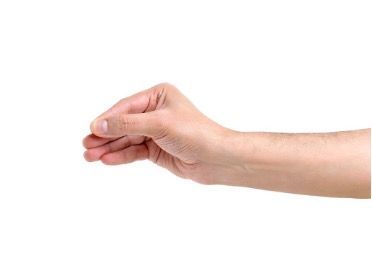
Pinch grip is the strength between your fingers and thumb. It is used constantly in daily life: picking up plates, turning keys, holding a pen for extended periods. Pinch grip tends to be the weakest link for most people and is often undertrained.
Supporting grip
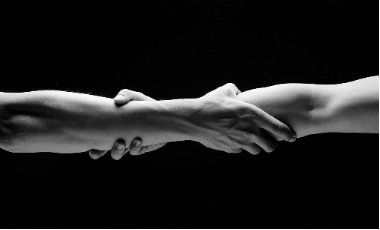
Support grip is your ability to hold on under sustained load over time. It is the grip endurance that determines how long you can hang from a bar, carry heavy bags, or maintain tension during a long set. This is the type most directly linked to functional independence as you age.
The Grip Strength Exercises That Actually Make a Difference
A well-rounded grip strength workout targets crush grip, pinch grip and support grip. Most of these grip strength exercises also double as effective forearm workouts. The best grip exercises below are split by what you need and where you train.
Farmer's carries
Farmer's carries are arguably the single best exercise for overall grip development. They train support grip under a full-body load, challenge your core and posture simultaneously, and translate directly to real-world carrying tasks. Hold a heavy dumbbell or kettlebell in each hand, stand tall with your shoulders back, and walk for 20 to 30 metres.
Start here: 3 sets of 20 to 30 metres with a weight that challenges your grip by the final 10 metres.
Dead hangs
Hanging from a pull-up bar with straight arms and active shoulders is one of the most underrated grip exercises in existence. It builds support grip and forearm endurance, decompresses the spine, and can be scaled from 10 seconds to well over a minute as you progress.
Start here: 3 sets of 20 to 40 seconds. Add 5 to 10 seconds per week.
Plate pinches
Stand holding a weight plate between your fingers and thumb, smooth side out. Hold for about 20 seconds, then switch hands. This isolates the pinch grip more directly than almost any other exercise and requires nothing but a standard gym plate.
Start here: 2 to 3 sets of 20 to 30 seconds per hand using a 5 kg or 10 kg plate.
Wrist curls and reverse wrist curls
Sit with your forearms resting on your thighs or a bench, palms facing up. Curl a light barbell or dumbbell through a full wrist range of motion, then flip your grip to train the extensors too. Balanced flexor and extensor strength protects the wrist joint and reduces the risk of repetitive strain injuries.
Start here: 3 sets of 12 to 15 reps each direction using a light weight.
Towel pull-ups or towel dead hangs
Drape a gym towel over a pull-up bar and grip the ends instead of the bar. The uneven, thick surface dramatically increases the grip demand and builds the kind of crushing forearm strength that carries over to every pulling movement.
Start here: If you cannot do a pull-up, simply hang from the towel for 10 to 20 seconds and build from there.
Hand gripper squeezes
A spring-loaded hand gripper is an inexpensive, portable tool that allows you to train crush grip anywhere. Use it at your desk, while watching television, or as a finisher at the end of a session. Progress through resistance levels as you get stronger.
Start here: 3 sets of 10 to 15 reps, squeezing fully and releasing slowly.
How to Improve Grip Strength: Fit It Into Your Week Without Starting From Scratch
Improving grip strength does not require a dedicated session. Knowing how to train grip strength is one thing; knowing where to fit it is another. The most effective approach is to integrate grip work into what you are already doing, with a few targeted add-ons.
Just getting started? Here is where to begin
Train grip strength twice a week at the end of your regular sessions. Choose one exercise from each category: a carry, a hang, and a pinch or wrist curl variation. Keep the volume low to start, with two to three sets of each and full recovery between sets.
Ready to push further
Add a third session and begin progressing load and duration systematically. If you are wondering how to increase grip strength efficiently, a useful rule of thumb is to add 5 to 10 seconds to timed holds each week, or increase weight by the smallest available increment. For those who want a more structured approach, personal programming takes the guesswork out of progression entirely. Do not train grip to failure in every session. Your hands and forearms need recovery time like any other muscle group.
The simplest upgrade to your grip training
One of the most effective ways to build grip strength is to stop relying on straps and wrist wraps as a default. Use a standard double-overhand grip for as long as possible during deadlifts and rows before switching. Over time, this simple habit compounds into significant grip strength gains without adding a single extra exercise.
What Most People Get Wrong About Grip Training
Even people who train consistently tend to make the same few mistakes when it comes to grip. Getting these right does not require more time or equipment, just a small shift in approach.
Relying on straps for everything
Lifting straps have their place, but using them as a default for every pulling movement robs you of one of the most effective forms of passive grip training available. Your deadlifts, rows, and pull-downs are built-in grip work if you let them be. Reach for straps when your grip genuinely limits your ability to train a movement, not as a precaution.
Skipping grip work altogether
Most people do not programme grip training directly. They assume it will take care of itself through general lifting. It rarely does, especially after 40 when grip strength begins to decline at a faster rate. A few targeted sets at the end of two sessions per week is all it takes to stay ahead of that curve.
Thinking grip training is only for athletes or younger people
This is perhaps the most common misconception, and the most costly. The research is clear that grip strength is one of the strongest predictors of functional independence, fall risk, and long-term health outcomes in older adults. If anything, it matters more as you age, not less. Grip training is not a performance luxury, it is a longevity essential.
Training only one type of grip
If your grip work begins and ends with a hand gripper, you are developing crush strength while leaving pinch and support grip largely untrained. Real-world strength demands all three. A well-rounded grip strength workout takes no longer than a focused one, it just covers more ground.
Your Grip Is Worth Training: Here Is How to Start
Grip strength is one of the clearest, most evidence-based markers of how well your body is holding up over time. Building it takes very little extra training time, it complements every other form of strength work you do, and the long-term returns in performance, independence, and healthy ageing are significant.
Train with us in Malvern and let our expert coaches guide you through semi-private group training built around real results. To find out more or book your first session, get in touch with us today.
Frequently Asked Questions
What is good grip strenth?
Good grip strength for men aged 40 to 49 is approximately 46 to 48 kg, and for women in the same age group around 28 to 30 kg, measured with a hand dynamometer. These figures decline gradually with age. If your grip strength sits below 26 kg (men) or 16 kg (women), it may be worth discussing with a physiotherapist or exercise professional.
Why does grip strength decline with age?
Grip strength declines with age primarily due to sarcopenia, the age-related loss of muscle mass and quality that accelerates after 50. Declining hormone levels, reduced physical activity, and lower protein intake all contribute. Because grip strength reflects overall muscle health, it is a reliable early indicator of how well your body is ageing.
What is the best exercise for grip strength?
Farmer's carries are widely considered the most effective single exercise for overall grip development, because they train to support grip under full-body load for an extended time. Dead hangs are a close second for forearm endurance and shoulder health. A combination of both covers most of what grip training demands.
Does grip strength predict longevity?
Research suggests a meaningful association between higher grip strength and lower risk of cardiovascular disease, mortality, and functional decline. A landmark Lancet study found grip strength to be a stronger mortality predictor than blood pressure in a global cohort. While grip training alone does not guarantee longevity, it is a useful indicator of overall muscular health.
How often should you train grip strength?
Two to three times per week is sufficient for most people. Your forearm muscles and connective tissue recover more slowly than larger muscle groups, so daily maximal effort training increases injury risk. Short, frequent sessions at moderate intensity are more effective and sustainable than infrequent all-out efforts. If you are unsure where grip work fits within your broader routine, personal training can help you build a plan around your specific schedule and goals.
About the Author

LATEST POSTS
Stand with your feet wide apart and with your hands clasped together. Lower into a squat, pressing your elbows into the inside of your knees.
Belly fat exercises at the gym that actually work long term? It starts with strength training, not endless cardio. Here's why, from Realfit Malvern East.
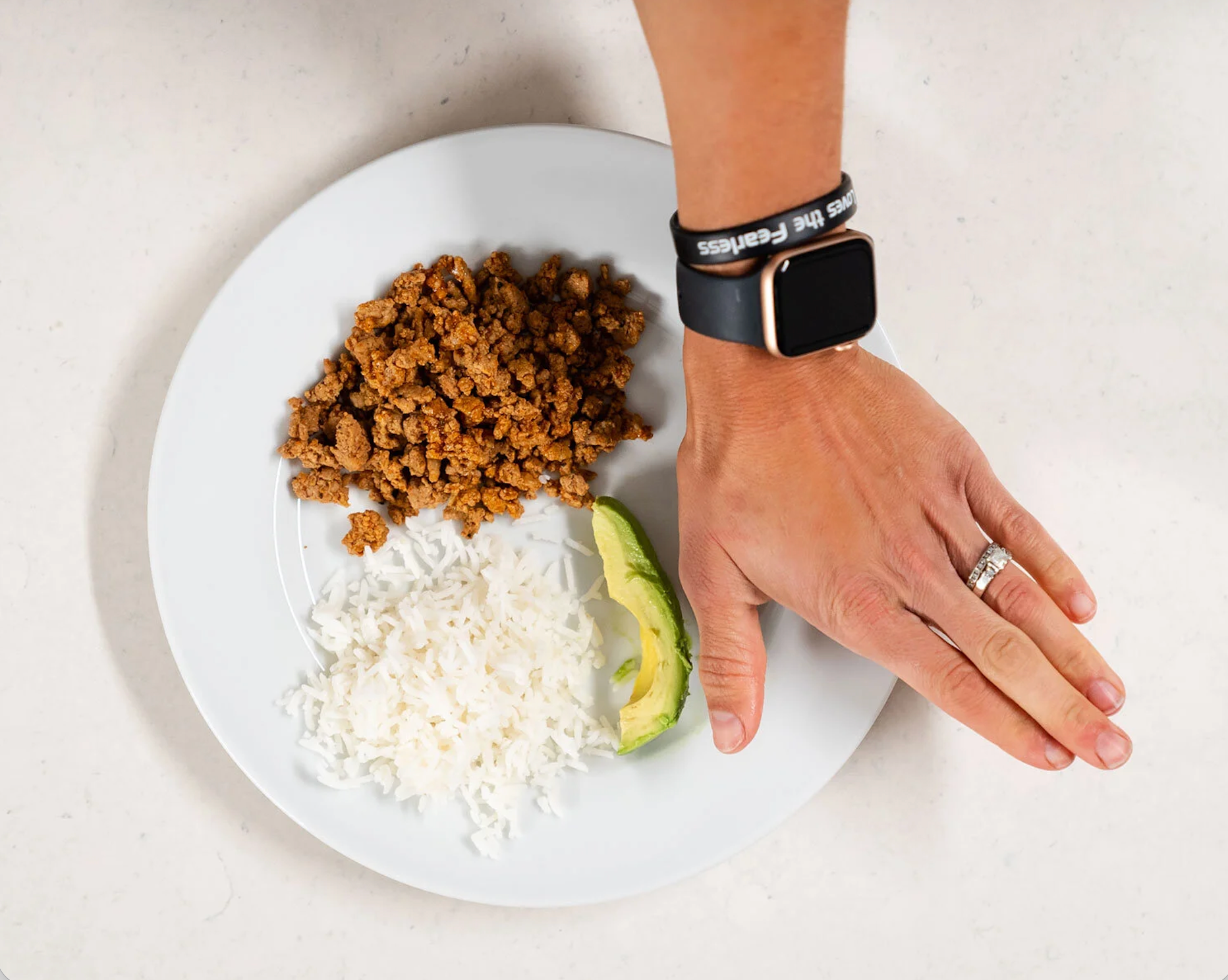
Not sure how much to eat? The fist diet rule is a no-scale portion method that works anywhere. Learn how from the trainers at Realfit.