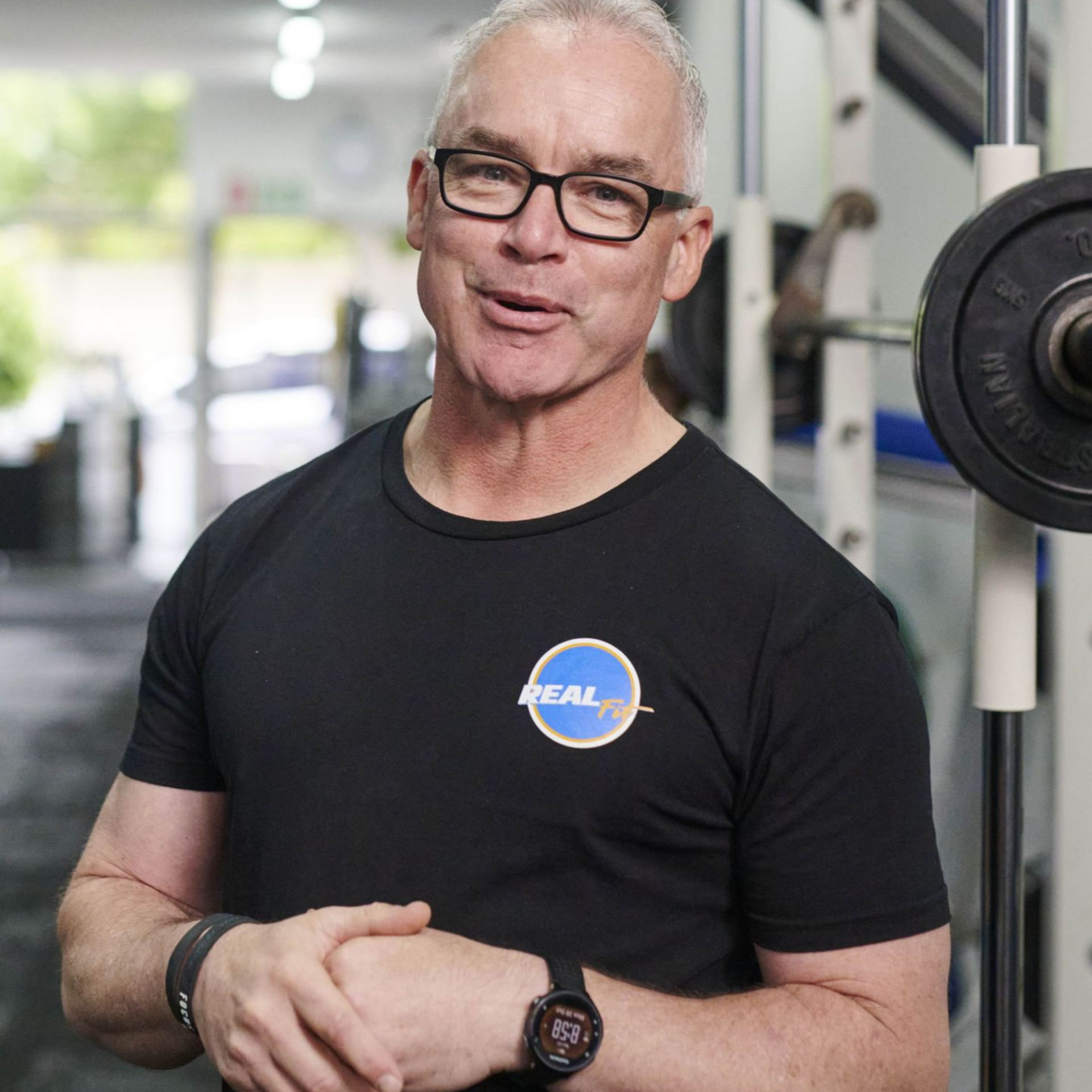
David Smethurst is a senior trainer and manager at Realfit with over 30 years in the fitness industry and 15 years coaching the Malvern East community. His expertise spans exercise science, human performance, rehabilitation, movement restoration, and recovery. David is also an advocate in the mental health space. Away from the studio, he is an active participant in community sport as a player, captain, and coach. That same commitment is what he brings to every session at Realfit.
How to Lose Belly Fat at the Gym: Why Strength Training Beats Crunches Every Time
David Smethurst • July 16, 2026
If you have spent time in a gym doing crunches, planks, and cardio in the hope of shifting belly fat, you already know it does not work the way the fitness industry promises. The midsection stays stubbornly put while everything else gets sore.
For people in their 40s and 50s who notice their body composition changing despite not dramatically changing their habits, the problem is rarely effort. Most advice on what exercise burns belly fat at the gym points in the wrong direction entirely.
Why "Burning Belly Fat" Is the Wrong Goal
The phrase "burning belly fat" implies you can target a specific area of your body by doing exercises near it. This idea, called spot reduction, has been studied repeatedly and consistently disproved. Doing 200 crunches a day will strengthen your abdominal muscles. It will not selectively remove the fat sitting on top of them.
Fat loss happens systemically. When your body burns stored energy, it draws from across the whole body according to your genetics and hormonal profile, not according to which muscles you worked hardest.
This matters because it changes the entire exercise strategy. The question is not "what exercise burns belly fat at the gym" in a direct, local sense. The more useful question is: which kind of training most effectively improves body composition overall?
The answer is strength training, and the research on this is consistent. But before we get into the specifics of how to burn belly fat at the gym, it helps to understand why the exercises most people default to are working against them.
What Actually Reduces Abdominal Fat And Why Most Gym-Goers Get It Wrong
The exercises that move the needle on abdominal fat are not the ones marketed for it. They work indirectly, by changing your body's hormonal environment, raising your resting metabolism, and building the muscle tissue that keeps fat storage in check over time.
Here is what the evidence actually points to.
Muscle mass is the engine
Skeletal muscle is metabolically active tissue. The more of it you carry, the more energy your body burns at rest. Most adults over 40 are losing muscle at a rate of roughly 1% per year without structured resistance training, a process called sarcopenia. As muscle mass declines, the body's resting metabolic rate drops, and fat, particularly visceral abdominal fat, accumulates in its place.
Building and preserving muscle through progressive strength training is the most reliable way to reverse this. It is not about getting bulky. It is about maintaining the metabolic infrastructure that keeps body composition in a healthy range as you age.
Visceral fat responds to resistance training
When people ask how to lose belly fat at the gym, they rarely get pointed toward the research on visceral fat. Visceral fat, the fat that sits around the organs in the abdominal cavity, is the type most associated with metabolic health risks, including cardiovascular disease and type 2 diabetes. Research consistently shows that resistance training reduces visceral fat even in the absence of significant weight loss, an effect that cardio alone does not reliably produce to the same degree.
This is one of the clearest arguments for making strength training the foundation of any gym programme aimed at improving body composition. Reducing your visceral fat level is not about working harder, it is about training smarter.
Cortisol and stress fat
Abdominal fat accumulation in busy professionals is frequently driven by chronically elevated cortisol, the body's primary stress hormone. Cortisol signals the body to store energy in the abdominal region as a readily accessible fuel reserve. High-intensity exercise done in a state of chronic stress and poor sleep can actually raise cortisol further, compounding the problem rather than solving it.
Structured, moderate-to-heavy strength training with adequate recovery has a more favourable effect on cortisol regulation than relentless cardio. This is particularly relevant for time-poor professionals whose lives are already high-stress.
The Best Gym Exercises for Body Composition Over 40
The exercises worth your time are compound movements: exercises that require multiple muscle groups to work together and generate a significant hormonal response. They build muscle efficiently, burn more energy per session than isolation exercises, and improve functional strength that carries over into daily life. These are the belly fat-burning workouts that actually produce lasting change.
Deadlifts
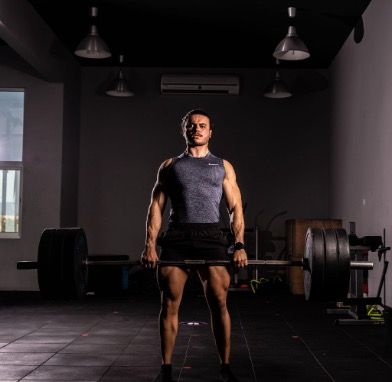
The deadlift is one of the most effective full-body exercises you can do. It engages the posterior chain, core, upper back, and legs simultaneously. Done with correct form under proper supervision, it is safe for most adults and produces measurable improvements in strength and body composition relatively quickly. The emphasis on correct form matters enormously, particularly for people with any history of back issues.
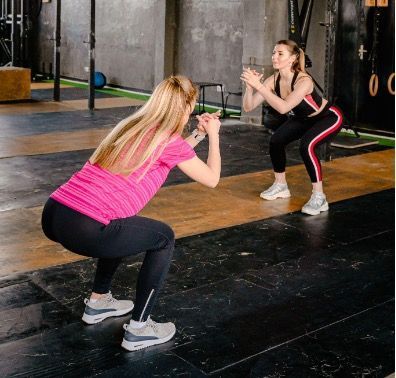
Squats
Burning belly fat effectively requires more than just physical exercise. Adopting a holistic approach that includes stress management, quality sleep, consistency, and proper hydration is key. Additionally, moderating alcohol consumption can significantly benefit your fitness goals.
Pressing movements
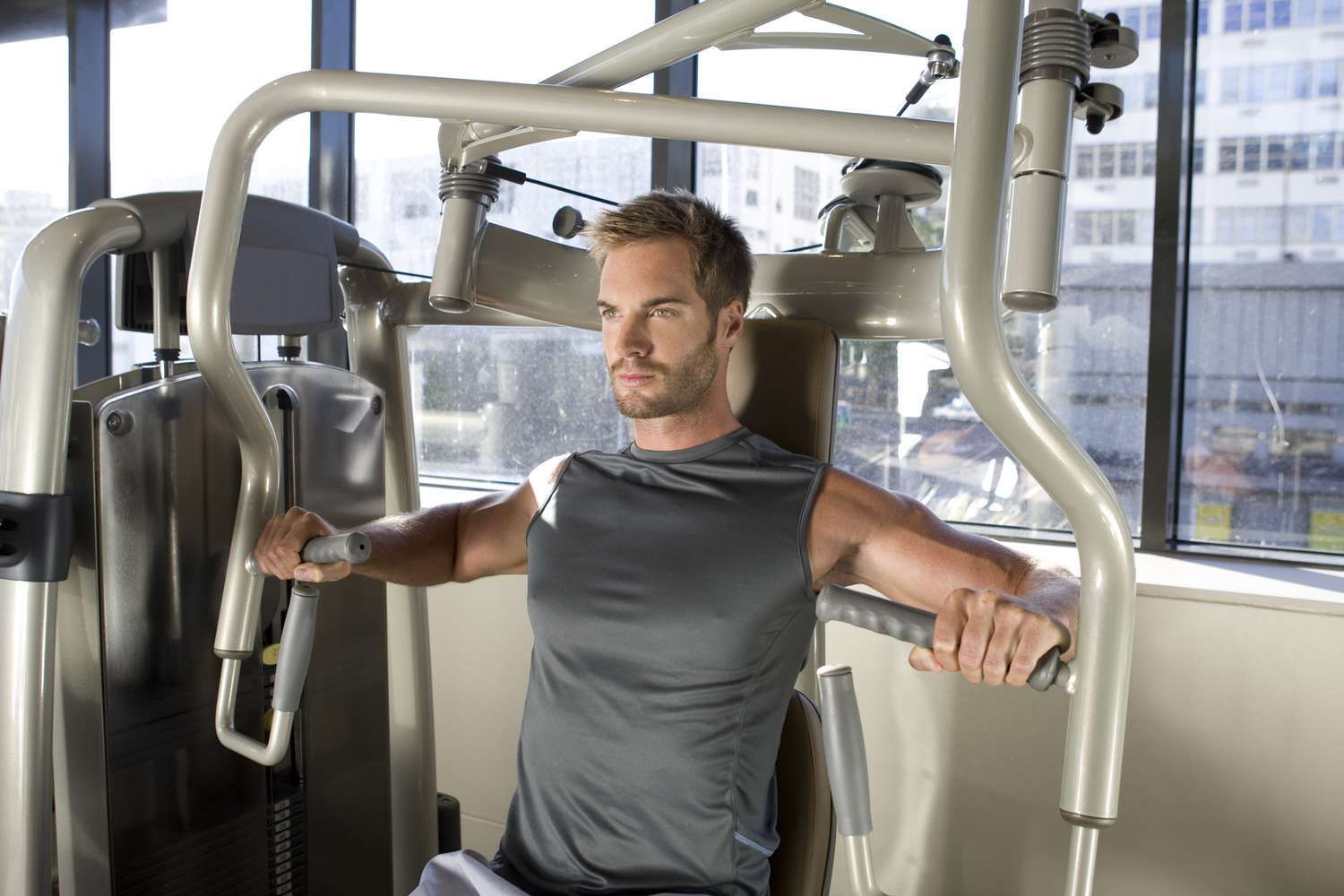
Bench press and overhead press build upper body muscle mass and contribute to the overall caloric cost of a training session. They also improve posture, which tends to deteriorate in desk-based professionals, and carry over into functional activities like carrying, lifting, and overhead reach.
Rowing movements
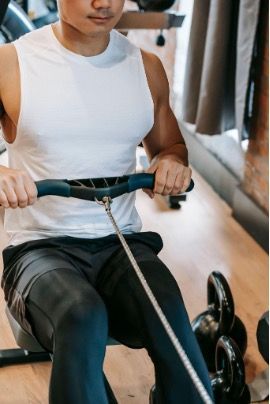
Bent-over rows, cable rows, and single-arm dumbbell rows build the upper and mid back, which is typically undertrained in people who spend long hours at a desk. A stronger back supports better posture and reduces the lower back strain that often accompanies prolonged sitting.
Carries and loaded movement
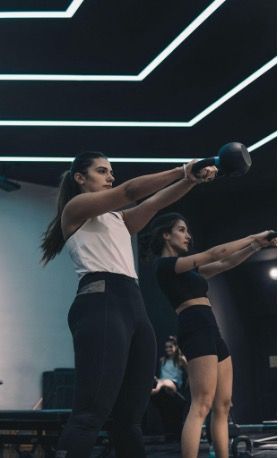
Farmer's carries, suitcase carries, and similar loaded movement exercises build core stability under real-world conditions. They are significantly more functional than crunches or sit-ups and engage the deep abdominal muscles in the way they are actually used during daily activities.
Where Cardio Fits In
Cardiovascular exercise has real value for heart health, mood, recovery, and general fitness. The problem is when it becomes the entire programme, particularly when it is high-intensity and done at the expense of strength work and recovery.
For most adults over 40 pursuing body composition goals, two to three strength sessions per week paired with moderate-intensity cardio (walking, cycling, swimming) and genuinely adequate sleep will outperform five cardio sessions and one strength session in terms of both results and sustainability.
The goal is not to exhaust yourself. The most effective belly fat workout in gym settings is one you can sustain and progressively build on over months and years, not one that leaves you wrecked for three days.
Nutrition and Sleep: The Two Variables Most People Underestimate
Training is only part of the equation. For many people, the reason body composition stalls despite consistent gym attendance comes down to two things they are not tracking: what they eat and how much they sleep. Both have a direct, measurable effect on abdominal fat accumulation, and both are frequently overlooked in favour of adding more exercise.
Protein at every meal
Adequate protein intake is the nutritional foundation for body composition improvement. It supports muscle recovery and growth, reduces hunger, and has a higher thermic effect than carbohydrates or fats, meaning the body burns more energy just digesting it. For adults over 40, current evidence suggests a target of around 1.6 to 2.2 grams of protein per kilogram of bodyweight per day, distributed across meals rather than concentrated in one sitting.
Sleep and fat storage
Poor sleep elevates ghrelin, the hunger-stimulating hormone, and suppresses leptin, which signals fullness. It also raises cortisol. The practical result is increased appetite, stronger cravings for calorie-dense food, and a greater tendency to store energy as abdominal fat. Consistently sleeping fewer than seven hours is one of the most reliable ways to undermine an otherwise solid training and nutrition programme.
If you are training consistently and eating well but not seeing change in body composition,
sleep quality and duration are worth examining before adding more exercise volume.
How Realfit Approaches This
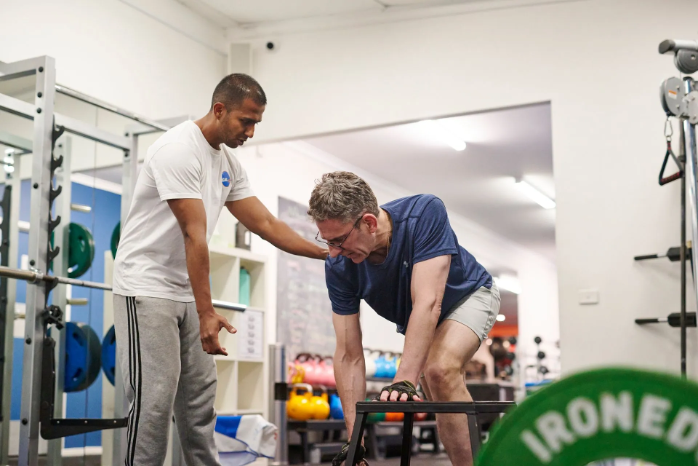
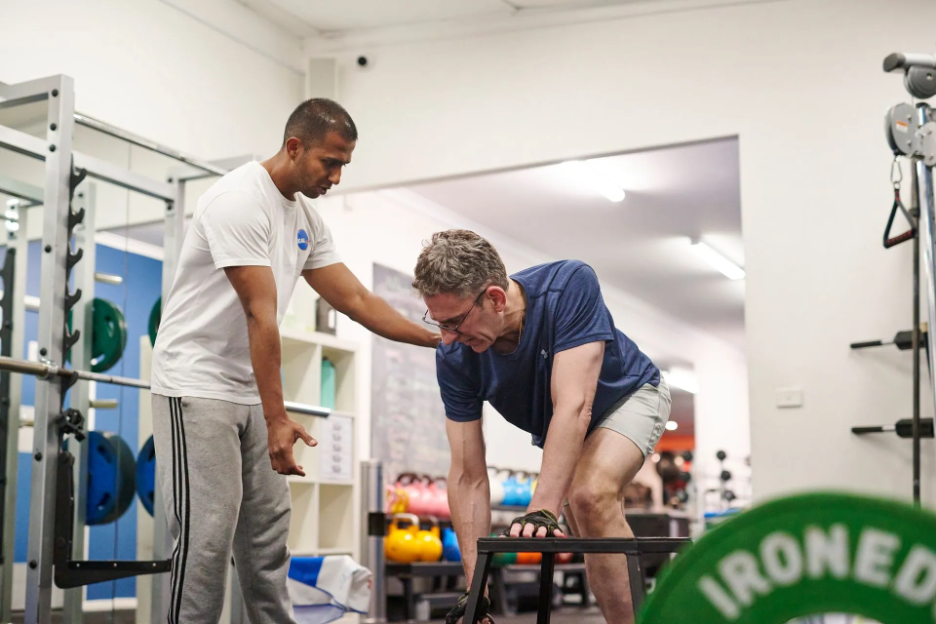
At Realfit in Malvern East, our semi-private group training sessions are built around compound strength movements and progressive programming. Sessions are capped at eight members so every person gets genuine coaching attention, including form correction on exercises like deadlifts and squats where technique is the difference between results and injury.
Our trainers understand that a 50-year-old body has different recovery requirements, hormonal dynamics, and injury history than a 25-year-old one. The programme reflects that. We are not running generic group fitness classes. We are building personalised strength programmes for adults who want to be stronger, leaner, and more capable for the long term.
If you have been doing the same cardio routine for years and wondering why your midsection is not responding, the answer is probably not more cardio. Come and talk to us about what a strength-first approach looks like for where you are right now.
Find out more about training at Realfit and whether it might be the right fit for where you are right now.
Frequently Asked Questions
What exercise burns belly fat at the gym?
There is no single exercise that directly burns belly fat. Fat loss happens across the whole body, not in the area closest to the muscle you are working. The most effective approach is compound strength training (deadlifts, squats, presses, rows) combined with a protein-adequate diet and adequate sleep. This combination improves overall body composition and reduces visceral abdominal fat more reliably than cardio or abdominal exercises alone.
How long does it take to lose belly fat at the gym?
Knowing how to burn belly fat at the gym is one thing. Knowing how long it takes is what most people actually want to understand. Most people begin to notice changes in body composition after six to twelve weeks of consistent strength training, though this depends significantly on starting point, diet, sleep, and stress levels. Visible reduction in abdominal fat typically takes longer, as it is influenced by hormonal factors as well as caloric balance. Sustainable results are built over months, not weeks, and that applies whether your goal is overall body composition or specifically how to lose stomach fat.
Does cardio or weights burn more belly fat?
Research consistently shows that resistance training is more effective at reducing visceral abdominal fat than cardio alone, even when the caloric expenditure is similar. This is because strength training builds muscle mass, which raises resting metabolic rate over time, and has more favourable effects on the hormones that drive abdominal fat storage. A combination of both produces better outcomes than either alone.
Why is belly fat so hard to lose after 40?
After 40, hormonal changes reduce the body's ability to build and retain muscle, lower resting metabolic rate, and increase the tendency to store fat in the abdominal region. In men, declining testosterone contributes to this shift. In women, the hormonal changes around perimenopause have a similar effect. The solution is not to work harder on cardio but to prioritise strength training, protein intake, sleep quality, and stress management.
Are crunches good for losing belly fat?
Crunches strengthen the abdominal muscles but do not reduce the fat sitting on top of them. Spot reduction, the idea that exercising a specific area removes fat from that area, is not supported by evidence. If your goal is a flatter midsection, compound strength training and a sustainable nutrition approach will produce better results than any amount of abdominal isolation work.
Can I lose belly fat without going to the gym?
Yes, though a gym environment with proper equipment and coaching makes progressive strength training significantly more accessible. The fundamentals, progressive resistance exercise, adequate protein, quality sleep, and stress management, can be applied in different settings. That said, having a structured programme and a trainer who corrects your form substantially improves both results and safety, particularly for adults over 40.
About the Author
LATEST POSTS
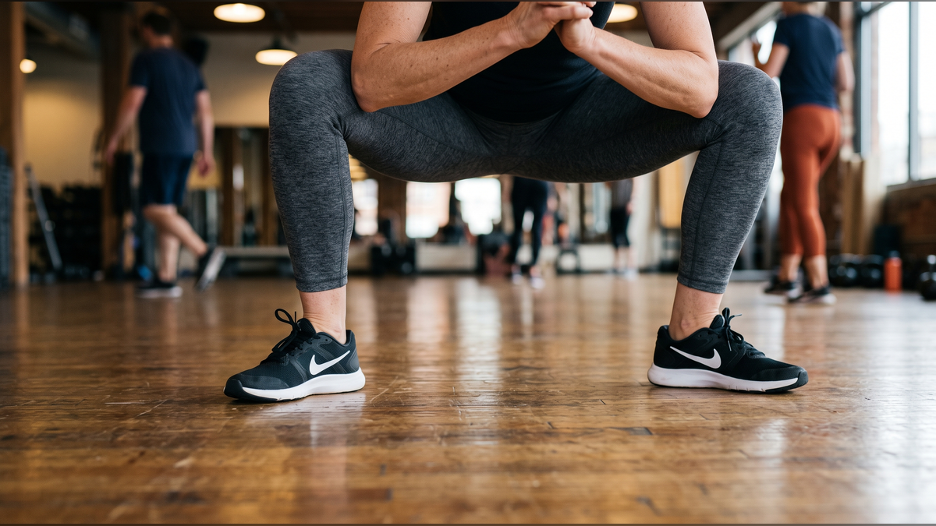
Stand with your feet wide apart and with your hands clasped together. Lower into a squat, pressing your elbows into the inside of your knees.
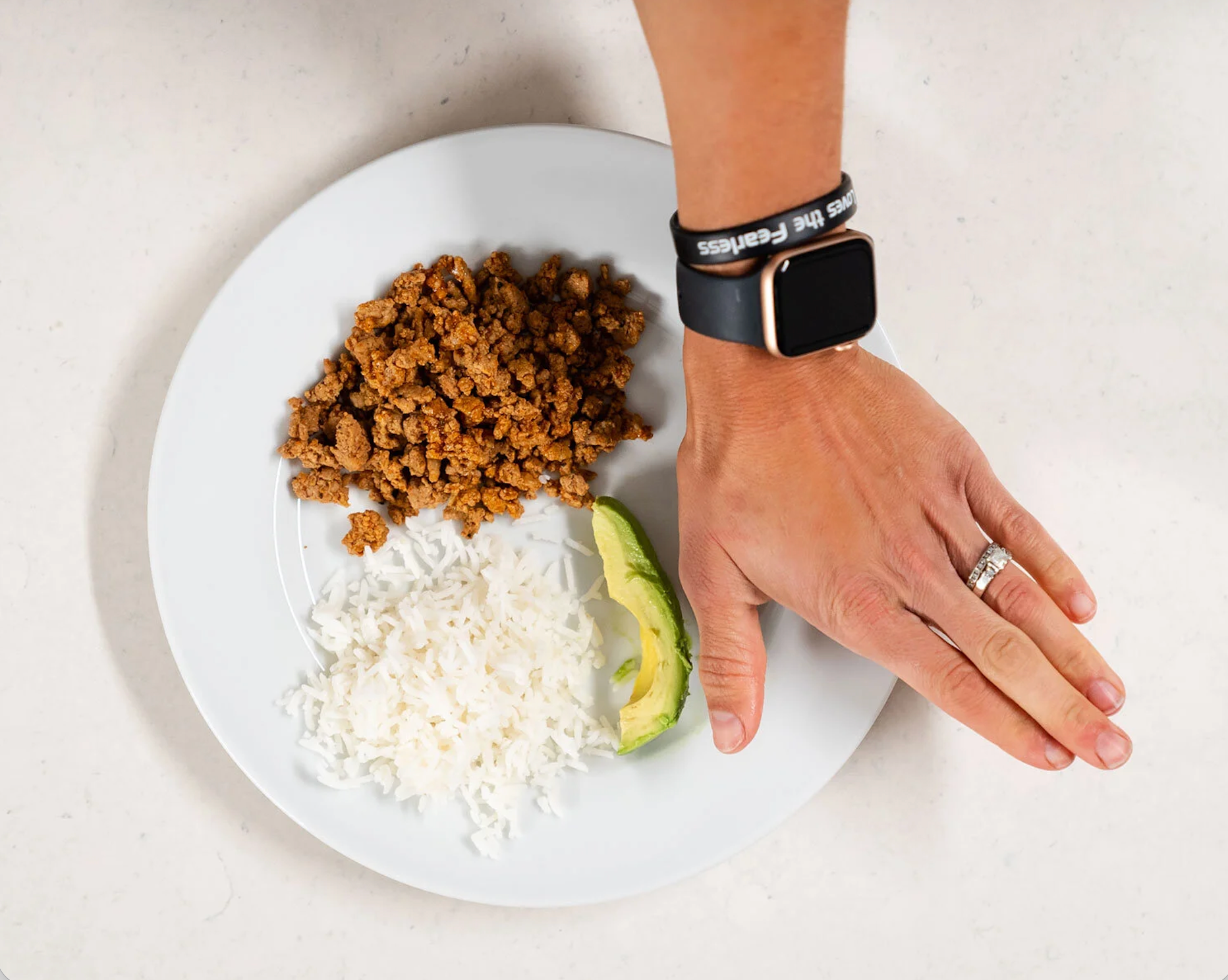
Not sure how much to eat? The fist diet rule is a no-scale portion method that works anywhere. Learn how from the trainers at Realfit.
Big gyms are busy and built for everyone, which means they are built for no one. Discover why a boutique personal training studio delivers better, longer-lasting results.